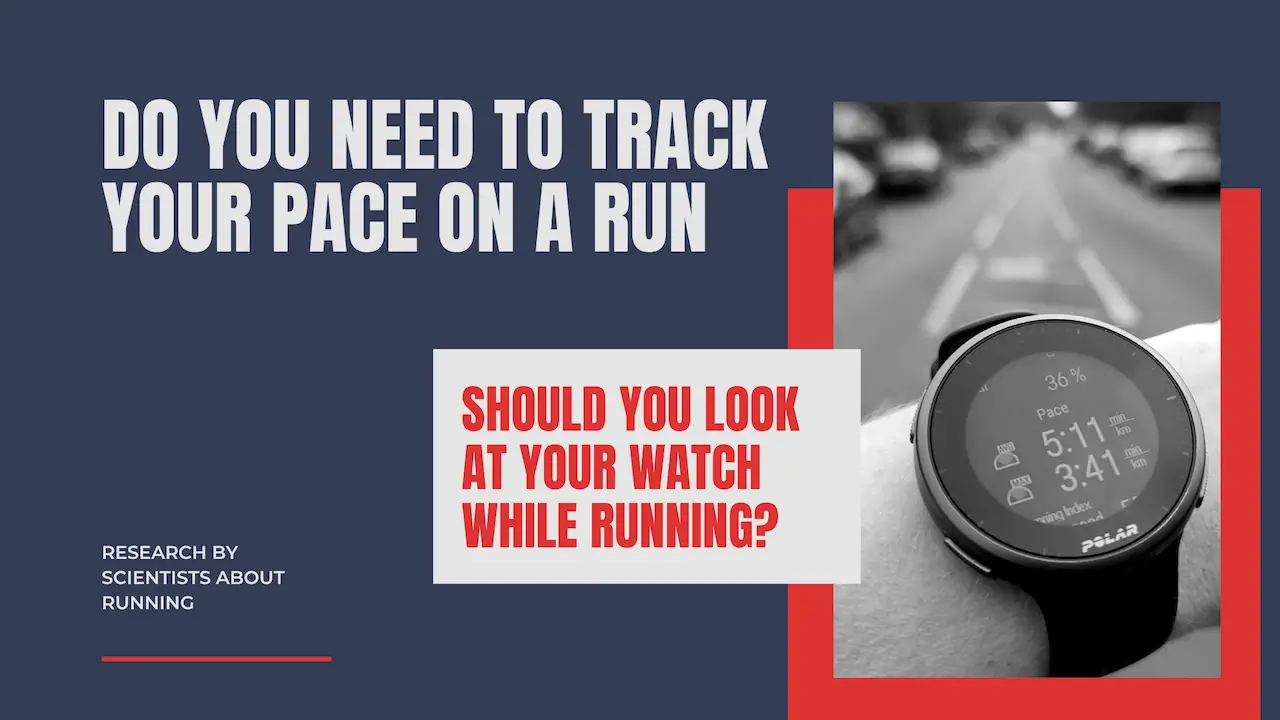
Should you monitor your pace while running, or does it harm your performance? Runner’s World published excerpts from a new study that takes a fresh look at this long-standing and well-known question.
Previous research showed that mental fatigue and overload can reduce performance and worsen outcomes. And constantly checking the time can only increase this fatigue, thereby lowering effectiveness.
Scientists from the University of Birmingham decided to look at this issue from a different angle — in terms of the feedback that watches provide during running, and conducted an experiment.
To control your pace and ensure accurate measurements, you can use our Pace Calculator or Split Calculator.
The subjects were divided into three groups:
- Feedback group.
- No feedback group.
- Control group.
The control group performed three tasks:
- They underwent an endurance test: they had to squeeze a dynamometer (handgrip) as hard as possible every second for five minutes.
- Then, the group watched a documentary about trains.
- After that, they repeated the endurance test.
The no feedback group did almost the same, except instead of watching a documentary, they took a memory test that contributed to mental fatigue, and then they retook the endurance test. The feedback group also underwent two endurance tests and in between, a memory test, but during the repeat endurance test, they were given information about their efforts and how it related to their first attempt.

Ultimately, the no feedback group showed a decrease in performance between the first and second endurance tests due to mental fatigue, while the control group did not. Interestingly, the feedback group, who also experienced mental fatigue, showed results identical to the control group! Their performance did not decline.
“When participants with a high level of mental fatigue saw the results they were producing, they demonstrated the same level as people who did not take the memory test.” Although the test involved using a handgrip rather than running, the expert is confident that the same applies to running: “If one day you come home from work tired and you have an interval training session, your results might be noticeably worse. Data from your watch can help you maintain pace and execute the plan just as well as if you weren’t mentally fatigued.”
Scientist Neil Delloway
A Sports Watch Allows You to Control Your Pace
Running coach Tony Ruiz advises athletes who run half-marathons and marathons to check their watches at least every mile (1.6 km), especially at the start of the race, because starting too fast can lead to disaster. However, after 20 miles (32 km), the expert recommends ignoring the watch:
“If you are having a successful race, you will know it after 20 miles, and if you are going to slow down, it is unlikely that the data from the watch will provide any positive feedback or be useful.”
The fear of negative feedback is a significant reason why some runners prefer not to look at their watches. However, the data itself can be useful. “There is nothing inherently bad in the information; the problem can arise from how we interpret the data and the significance we attribute to it,” believes Dr. Shannon Malkahi, a consultant in sports psychology.
“It’s really not a problem if you look at your watch and think: ‘I’m running slower than I wanted’—such a reaction is normal. What’s important is that it doesn’t demotivate you and helps you gather your strength. If, when looking at your watch, you think: ‘I will never reach my goal. I’m a terrible runner,’ then that’s a disaster, and the information from your watch can greatly worsen your results,” shares Shannon Malkahi. Attaching emotional significance to the data from your watch is what can turn it from a useful tool into a destructive one.
Conclusion
It turns out that the information from your watch during a workout can either help you improve your performance and gain control over your training, or demotivate you if you assign emotional significance to the numbers. In any case, remember that the watch is just a tool, and you need to decide for yourself how to use it in the best way possible for you.